When people compare lab-grown and earth-mined diamonds the first thing they usually notice is the difference in price. But once you start looking closer clarity becomes one of the most interesting areas to compare. Both types can look stunning, yet the reason behind their internal features is completely different.
I’ve seen many buyers assume that lab-grown diamonds are always cleaner because they are made in controlled environments. In reality clarity is shaped by how a diamond forms and the conditions it experiences along the way. Whether it happens deep inside the earth or inside a growth chamber each process leaves its own kind of fingerprint.
What Clarity Really Means in Diamonds
Clarity describes how free a diamond is from internal or external imperfections. These natural features are called inclusions and blemishes. Some are microscopic while others can be seen with the naked eye. The fewer and smaller they are the higher the clarity grade and the more freely light travels through the diamond.
When grading clarity experts use magnification to locate and describe each inclusion. They look at its position, size, color and how it affects transparency. A diamond can have several small inclusions that do not harm its beauty or a single large one that immediately draws attention. That is why clarity is never just about quantity but also about where and how these features appear.
I have looked at hundreds of diamonds side by side and clarity always tells a deeper story than the number printed on the report. Some SI1 diamonds look perfectly clean to the eye while certain VS2 stones show tiny crystals in a distracting spot. It is one of the reasons I always encourage buyers to look at real magnified images instead of trusting grades alone.
Clarity also plays a key role in how light interacts with a diamond. Even a small feather or cloud can scatter light and slightly reduce brilliance. When clarity and cut quality align the diamond sparkles at its full potential. Once you understand that connection it becomes easier to see why comparing clarity between lab-grown and earth-mined diamonds is so revealing.
How Diamond Clarity Forms in Nature vs a Lab
Every diamond starts with a story of extreme pressure and heat. In nature it takes billions of years for carbon atoms to bond deep underground and grow into crystals. During this time other minerals and elements can become trapped inside the growing diamond. These inclusions are part of its natural fingerprint and tell scientists a lot about the conditions in which it formed.
In earth-mined diamonds most inclusions come from uneven growth or contact with other crystals. Tiny fractures can appear as the diamond travels upward through volcanic rock. Some inclusions form when trace elements like iron or nitrogen join the crystal lattice. The result is a diamond that carries small marks of its long and chaotic journey from the earth’s mantle to the surface.

Lab-grown diamonds form much faster, usually within weeks instead of millions of years. In HPHT growth carbon dissolves in molten metal and re-crystallizes on a small seed. Because the process uses metallic catalysts it can leave tiny metallic inclusions or patterns of internal strain. CVD diamonds grow layer by layer in a carbon-rich plasma where variations in temperature or gas purity can create haze-like features or growth lines.
I often think of lab-grown clarity as the record of its technology. Each method leaves subtle patterns that experts can recognize under magnification. They do not form randomly like in nature but follow the physical environment inside the chamber. That difference gives each diamond type its own visual personality even at the microscopic level.
Understanding how clarity forms is what makes comparison meaningful. When you know that natural inclusions are geological and lab inclusions are technological you start to see the beauty in both. Each diamond reflects the environment that created it, whether that is the deep earth or a modern laboratory built to mimic it.
Common Clarity Characteristics in Earth-Mined Diamonds
Earth-mined diamonds often show inclusions that formed naturally over immense spans of time. Some are so tiny they can only be seen with a microscope while others are visible under 10x magnification. The most common ones include crystals, feathers, needles and clouds. Each tells a small part of the diamond’s journey through heat, pressure and volcanic movement.
Crystals are among the easiest to spot. They look like small transparent or dark specks inside the stone and can sometimes be grouped together. Feathers are thin internal fractures that resemble wispy lines and can appear white or transparent. Needle inclusions are long and narrow, sometimes extending through several facets. Clouds are clusters of minute pinpoints that appear soft or hazy when concentrated.
Most of these inclusions do not affect durability when they are small or well positioned. In fact they are a natural part of the diamond’s character and proof that it came from the earth. However inclusions that reach the surface or form near the girdle can pose a risk if they create stress points. That is why location matters as much as visibility.
When I inspect natural diamonds under magnification I like to observe how the inclusions interact with the cut. Sometimes a tiny feather is hidden under a facet line or a crystal falls in a shadowed area, making it nearly invisible. In those cases the diamond can still appear perfectly eye-clean even with a lower clarity grade. It’s a reminder that grading reports show the technical side but the real beauty is always seen in person.
Common Clarity Characteristics in Lab-Grown Diamonds
Lab-grown diamonds form in environments designed to replicate the conditions of the earth, but their clarity characteristics follow different rules. Because the process happens over weeks instead of geological time, inclusions tend to come from the materials and machinery used rather than from nature itself. They are the traces of modern engineering and once you know what to look for, you can often tell how the diamond was grown.
In HPHT diamonds, clarity features often include metallic flux inclusions. These appear as tiny black or reflective spots under magnification and sometimes leave a faint magnetic response. They come from the metal catalysts that help carbon crystallize under high pressure. Some HPHT diamonds also show graining or strain patterns that look like soft internal lines when viewed with polarized light.
CVD diamonds, on the other hand, tend to show small pinpoint clouds or subtle growth striations. These come from fluctuations in the gas flow or temperature during the layering process. When these variations repeat, they can form faint parallel lines or wisps, giving the diamond a slight haziness under strong lighting. I have seen many CVD diamonds that look perfectly clear face-up but show a soft misty texture when examined closely.
One of the most fascinating aspects of lab-grown clarity is how consistent it can be. Most inclusions are minimal and uniform compared to the randomness of nature. Because of that, lab-grown diamonds often receive higher clarity grades, such as VS or even VVS, at prices that would be impossible for natural stones of similar size. Still, those grades can be misleading if the inclusion type affects transparency more than its size suggests.
I always pay close attention to internal strain when viewing lab-grown diamonds. Under cross-polarized filters, certain CVD stones show colorful stress patterns, while HPHT ones can display a more patchy or mottled appearance. These features do not necessarily reduce beauty, but they help gemologists identify the diamond’s origin. For anyone comparing both types, this is one of the clearest visual differences under magnification.
Inclusions in lab-grown diamonds tell a different kind of story: one about precision, repetition and human control over nature. Instead of random crystal accidents, you see patterns that reflect design limits. Once you understand that, it becomes easier to appreciate that clarity in lab-grown diamonds is not about perfection but about how technology leaves its own signature inside the crystal.
How Clarity Affects Price for Each Type
Clarity has always been one of the biggest price drivers in the diamond world, but its impact is not the same for lab-grown and earth-mined diamonds. In natural diamonds, higher clarity grades can push prices up dramatically because cleaner stones are much rarer. A jump from SI1 to VS2 or from VS2 to VVS2 can easily mean hundreds or even thousands of dollars more for the same size and color.
| Clarity Grade | 1 ct Natural G color, Excellent cut |
1 ct Lab-Grown G color, Excellent cut |
Typical Visual Difference |
|---|---|---|---|
| VVS2 | US $8 000 – 9 000 | US $900 – 1 200 | Looks flawless at 10× |
| VS2 | US $6 000 – 7 000 | US $700 – 900 | Usually eye clean in both types |
| SI1 | US $4 000 – 4 800 | US $550 – 700 | Small inclusions visible under magnification |
| SI2 | US $3 200 – 3 800 | US $450 – 600 | Inclusions often visible in natural, sometimes hidden in lab-grown |
Notes: Prices are approximate 2025 online retail ranges for reference. Always verify with real magnified images and current inventory.
In lab-grown diamonds, the situation is very different. Because most lab stones already grow with minimal inclusions, clarity upgrades do not cost nearly as much. Moving from an SI1 to a VVS2 might only add a small percentage to the price. This makes it easier for buyers to afford higher clarity without stretching their budget. I often tell people that lab-grown diamonds give you a taste of luxury clarity for a fraction of the cost.
Another key factor is how clarity interacts with size. In natural diamonds, inclusions become more noticeable as the carat weight increases and that visibility drives up demand for cleaner stones. In lab-grown diamonds, larger stones can still appear flawless at lower clarity grades, which helps keep prices stable even at higher carat weights. This difference is one of the main reasons lab-grown prices scale much more gently than earth-mined ones.
When comparing prices, it also helps to think in terms of perception rather than numbers. If two diamonds look equally clean to the eye, paying extra for a higher grade rarely makes sense. For natural diamonds, I usually recommend targeting the lowest clarity that still appears eye-clean. That could be VS2 or even SI1, if you are willing to put in the time. For lab-grown diamonds, you can safely go one grade lower and still get the same visual result. The real value lies in knowing where the visible difference begins and ends.
In the end, clarity affects more than just cost. It shapes how buyers feel about what they are paying for. With earth-mined diamonds, high clarity means rarity and history. With lab-grown diamonds, it reflects precision and consistency. Both have their own kind of beauty, but understanding the price dynamics helps you make a smarter choice and see beyond the label on the grading report.
Verdict: Which Diamond Type Wins for Clarity?
If clarity alone were the deciding factor, lab-grown diamonds would take the lead. They often show fewer inclusions and offer higher grades for much less money. The consistency of their growth process means you can easily find VVS or VS stones that look crystal clear even under magnification. For buyers who want a clean look without paying a premium, lab-grown clarity is hard to beat.
Still, there is something timeless about the natural fingerprint of an earth-mined diamond. Those tiny internal marks are reminders of its journey through unimaginable heat and pressure over billions of years. I often find that collectors and romantics value those imperfections because they tell a story no lab can reproduce. Beauty is not always about perfection but about character and origin.
In the end, the winner depends on what clarity means to you. If you value purity, precision, and budget efficiency, a lab-grown diamond will give you more sparkle for your money. If you appreciate rarity, natural history and individuality, an earth-mined diamond will always feel more alive. Either way, understanding clarity is the key to choosing a diamond that truly reflects what you care about most.
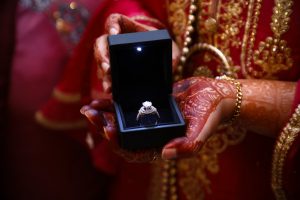 In my opinion, the question has already been asked incorrectly, as there is no absolute answer to it. It depends much more on what the diamond is meant for. In the following I would like to show with a few examples of how different relevant the color and the diamond purity can be.
 Two of the most important factors in diamond purchasing are diamond color and diamond clarity. First, they determine significantly how beautiful the diamond looks and secondly, they are next to carat the two most important indicators of the price of the diamond. Normally, one has a limited budget available for the purchase of a diamond, for example, for an engagement ring or a watch. This means that one is forced to ask oneself whether the diamond color or the diamond clarity is more important to one.